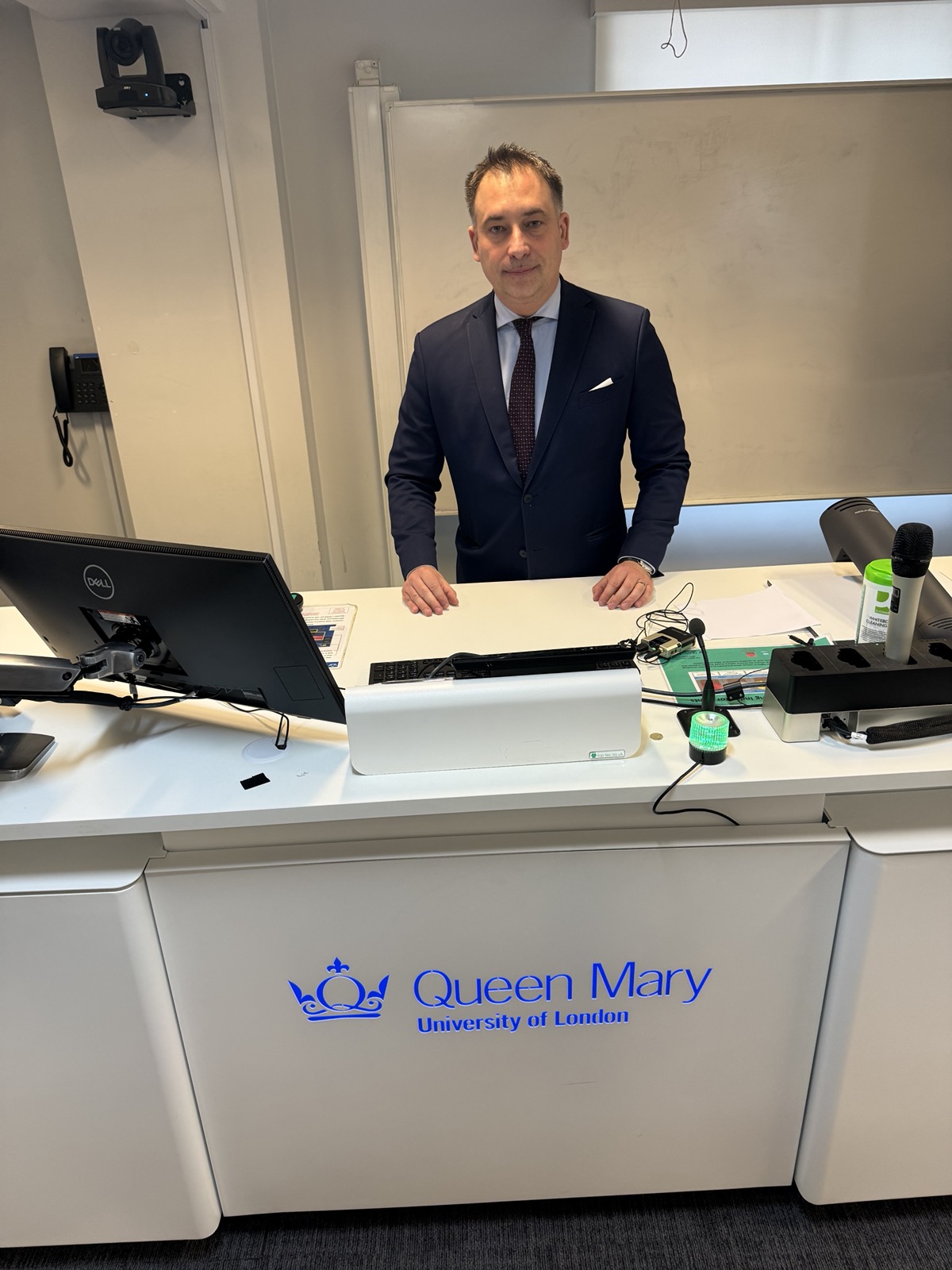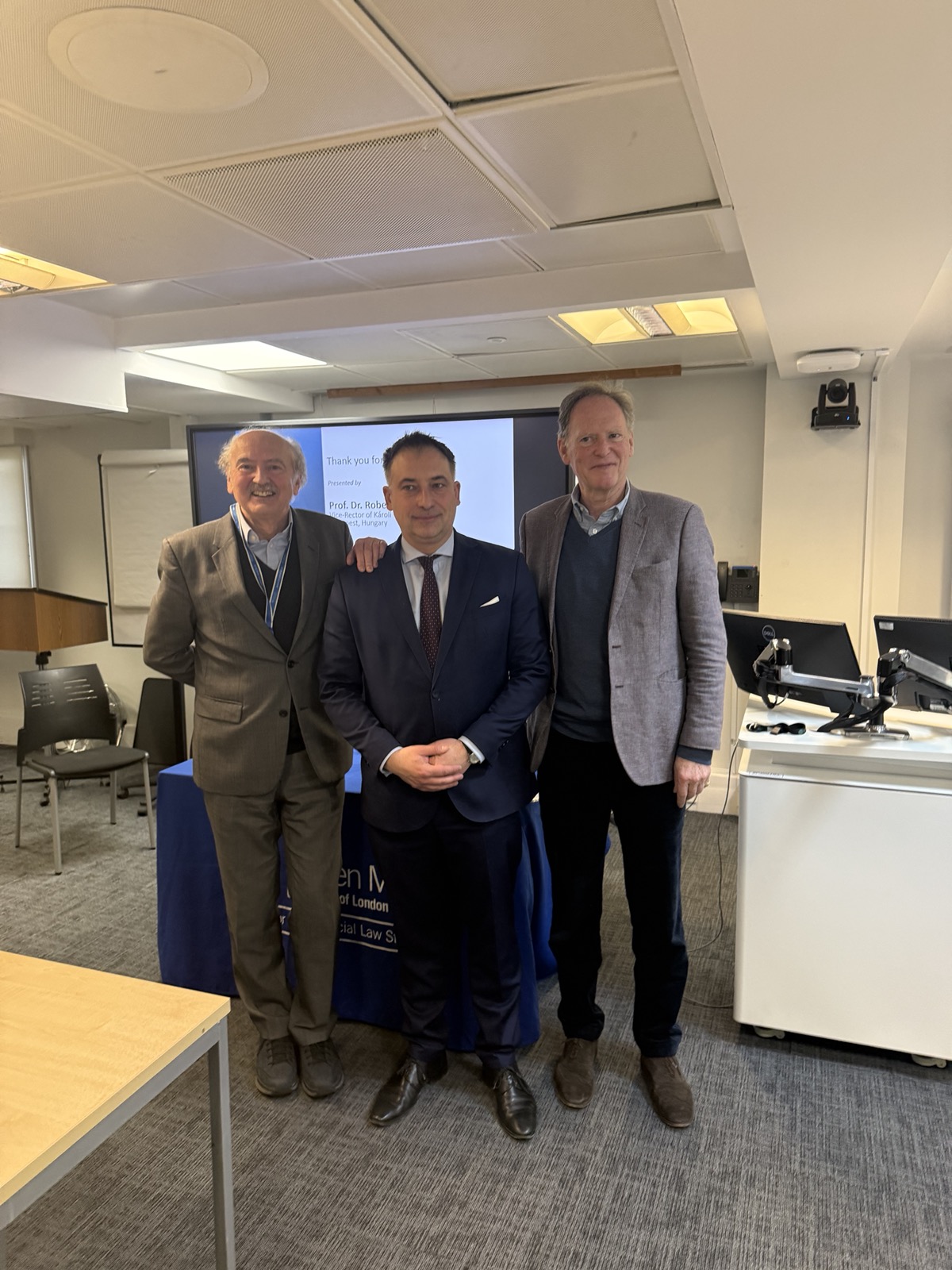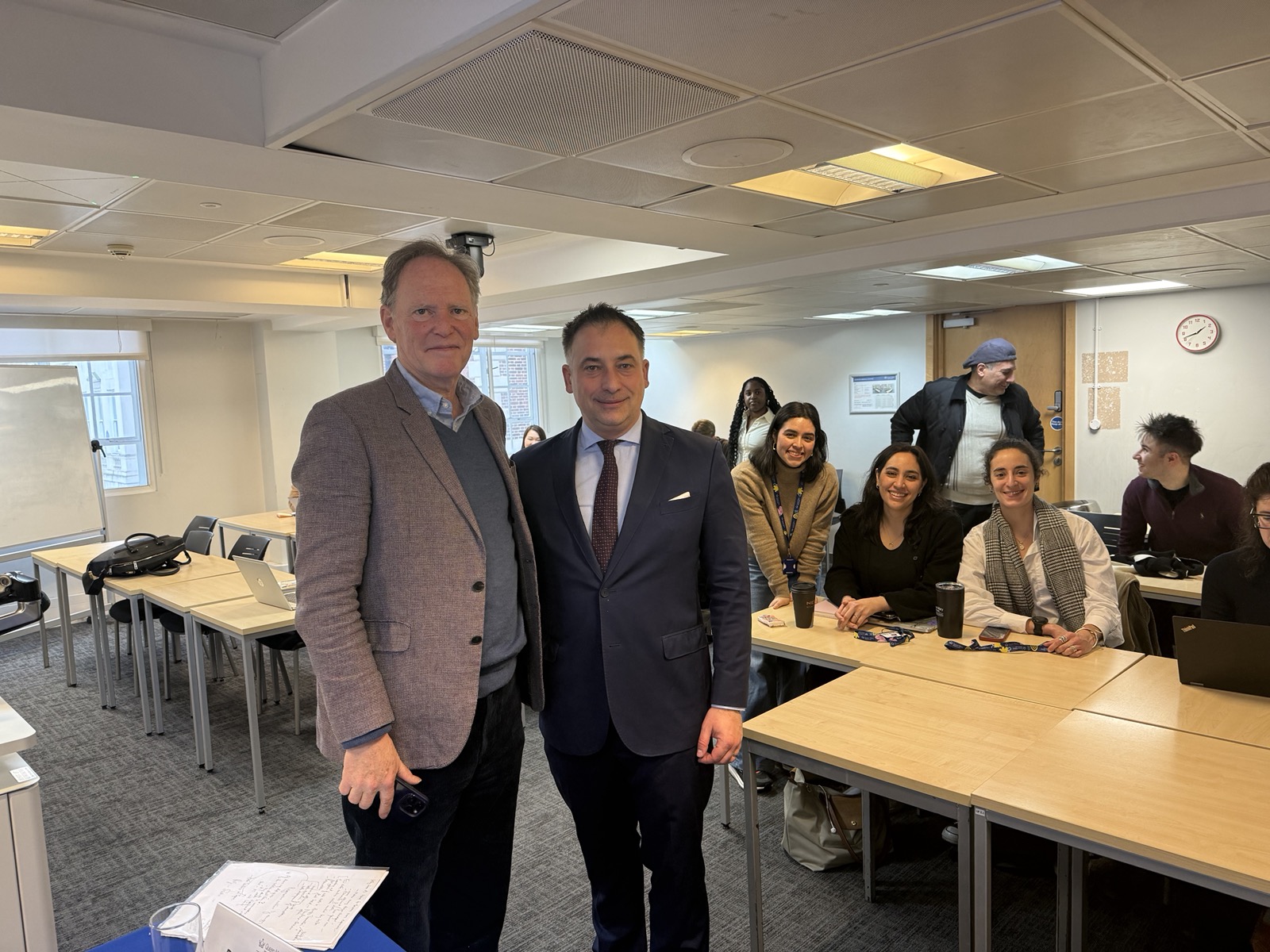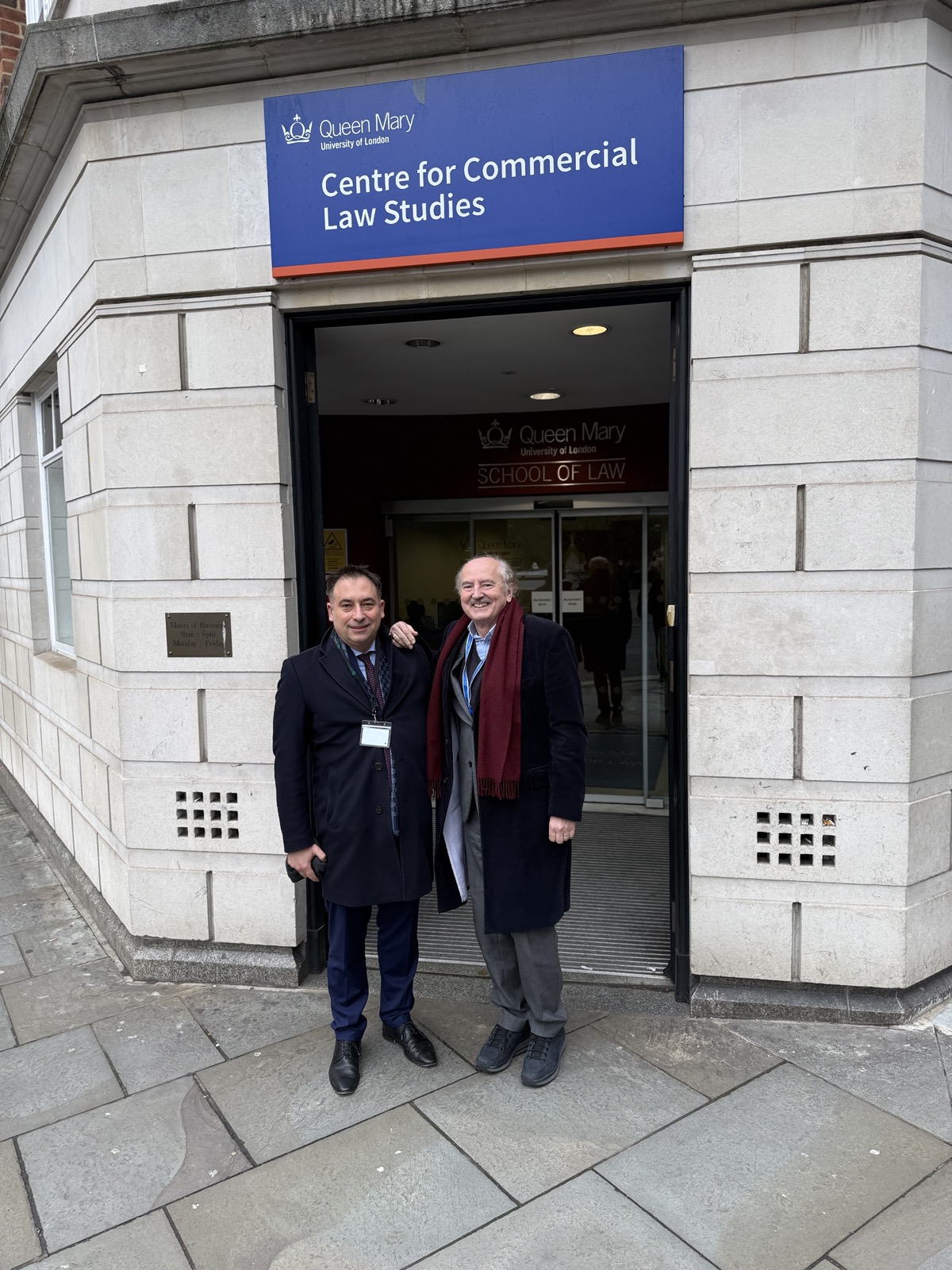

On 19 February 2026, Prof. Dr. Róbert Szuchy, Vice-Rector for Education and Full Professor at Károli Gáspár University of the Reformed Church in Hungary, delivered an invited lecture at the Centre for Commercial Law Studies (CCLS) of Queen Mary University of London.
The academic exchange was enriched by the participation of distinguished scholars in energy and climate law.
Held at 67–69 Lincoln’s Inn Fields, the lecture titled “The Double Injustice of AI” explored the intersection of artificial intelligence, energy law and social justice.
The presentation addressed an increasingly unavoidable question: how should we assess artificial intelligence once its full energy demand, grid impact and social consequences are taken into account?
- The rapidly growing electricity demand of AI-driven data centres,
- Increasing pressure on electricity grids and regional price effects,
- Persistent energy poverty across Europe,
- Regressive impacts on vulnerable households,
- The carbon footprint and hardware lifecycle externalities of AI systems.
When frontier AI systems require GWh-scale training energy — combined with continuous inference and cooling demand — regulatory, distributive and ethical considerations become unavoidable. The lecture examined key policy questions, including the financing of grid upgrades, the additionality of renewable energy claims, consumer protection in the context of innovation, and the measurement of the social return on AI.
James Dallas serves as Professor in Energy and Climate Law at Queen Mary University of London. He is the Executive Director of the Energy and Climate Change Law Institute and holds the Chair in Energy and Climate Law at the Centre for Commercial Law Studies on the Lincoln’s Inn Fields campus. His academic work focuses on energy regulation, climate governance and the legal architecture of decarbonisation.
Peter Cameron, Professor at CCLS and Founder of the Energy & Natural Resources Law Institute, is internationally recognised for his contributions to energy and natural resources law, particularly in the context of the global energy transition.
Their engagement ensured that the debate extended beyond theoretical considerations to include regulatory feasibility and policy design perspectives — particularly relevant in light of the growing electricity demand of AI-driven data centres and the structural transformation of European electricity markets.
The event reflects Károli Gáspár University’s strong international academic engagement and its commitment to addressing the legal, regulatory and social dimensions of technological transformation within the framework of sustainability and energy justice.