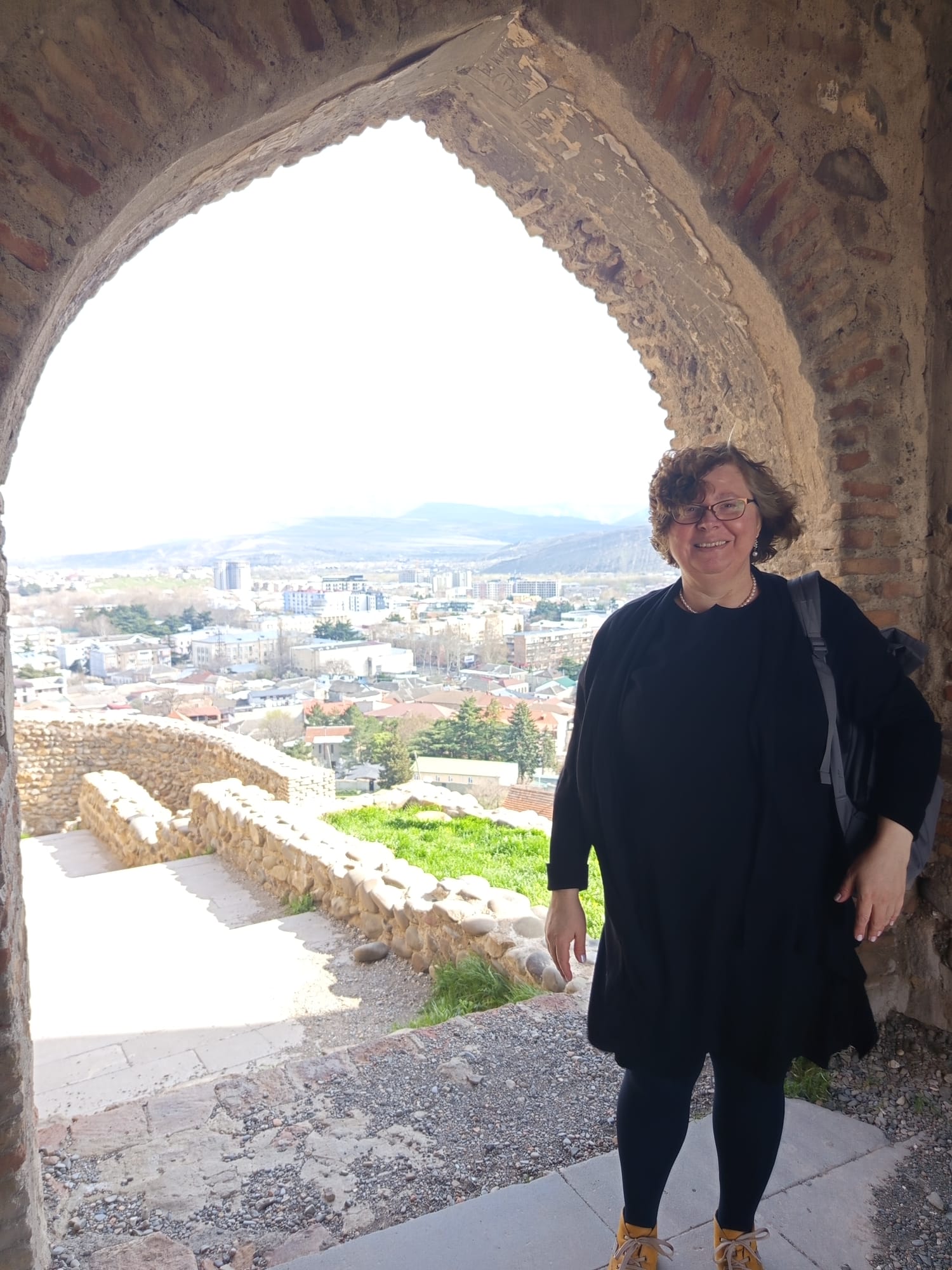

“Try to go abroad whenever possible.” - This is how Professor Tünde Komáromi, Associate Professor at the Faculty of Humanities and Social Sciences at Károli Gáspár University of the Reformed Church in Hungary reflected on her visit to Gori State University—delivering lectures, sharing her research on religiosity, and presenting Károli. Beyond teaching, it was also about discovering Georgian culture, experiencing local hospitality, and building meaningful international connections.
Could you describe your most recent experience abroad, and more generally, share your impressions of traveling to other countries?
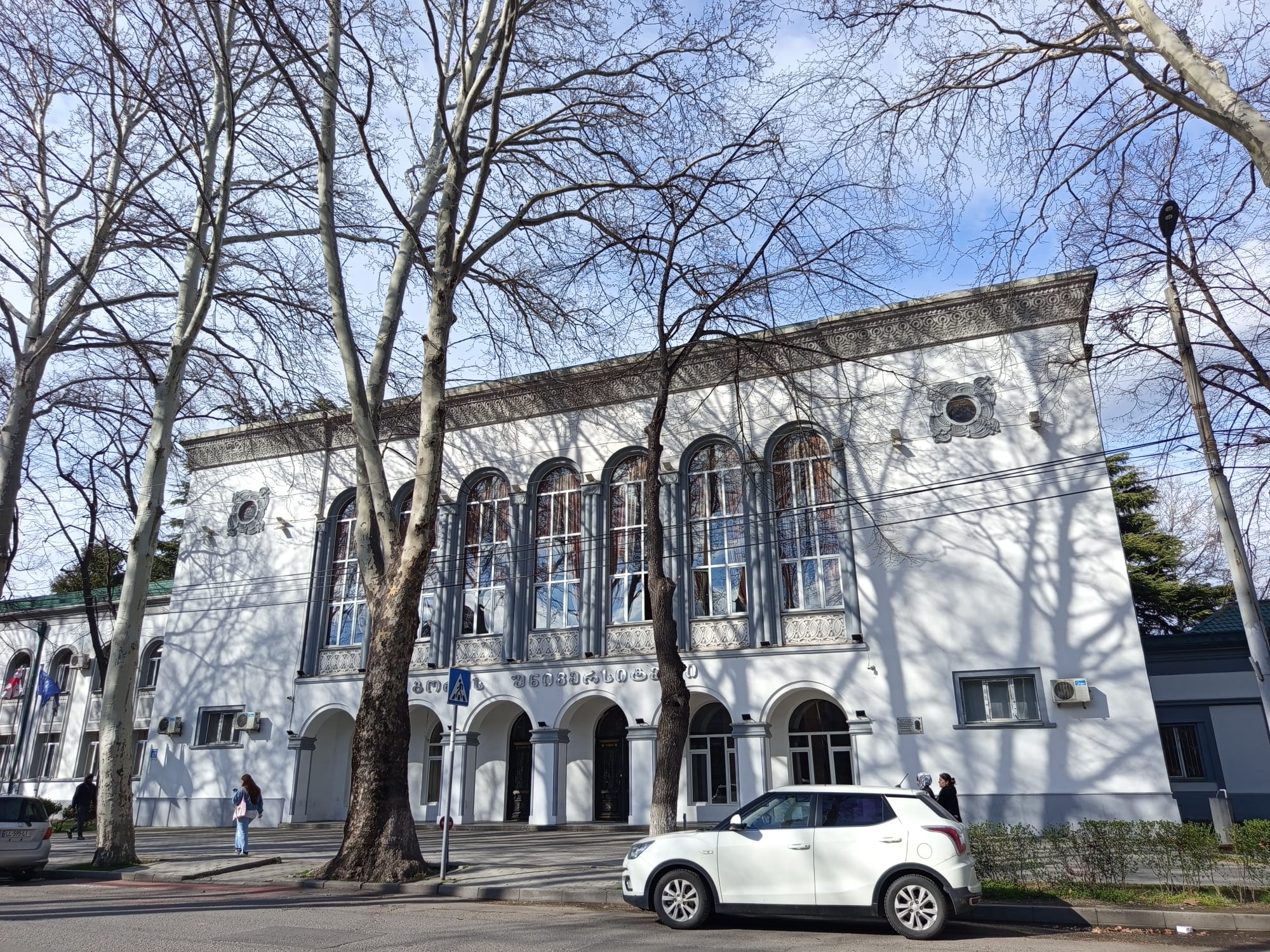
Recently, I visited Gori State University in Georgia. It is a small university located in a town of about 42,000 inhabitants. The university has three faculties: the Faculty of Humanities, the Faculty of Social Sciences, Business and Law, and the Faculty of Education, Exact and Natural Sciences. During my visit, I gave lectures to students, and I also had the opportunity to meet the rector and members of the faculty staff. I introduced Károli Gáspár University of the Reformed Church in Hungary and spoke about our international relationships. This was particularly interesting for them, as they are keen to expand their cooperation with Károli in the future. My lectures were based on my research results from the past decades. I am an anthropologist, and I have conducted extensive fieldwork over the years. I have worked for various research institutions and participated in several international research projects. My fieldwork has taken place in Russia and twice in Romania, specifically in Transylvania, where I studied various topics. Much of my research has focused on religiosity. When preparing my lectures for Gori State University, I considered the cultural context of Georgia and the importance of Orthodox Christianity in Georgian society. Therefore, I chose topics that might resonate more closely with their own cultural background. This approach proved to be very effective, as the students showed great interest in my findings. I spoke about pilgrimage, pilgrimage sites, and the practices associated with them in Transylvania. I also discussed shared shrines used by people of different ethnic and religious backgrounds. Additionally, I presented my research on religious healing, which they also found fascinating. They were able to identify many similarities between the situations I described and their own experiences in their home country.
Were there any cultural experiences that stood out to you—such as local hospitality, everyday life, food, or anything else that comes to mind?
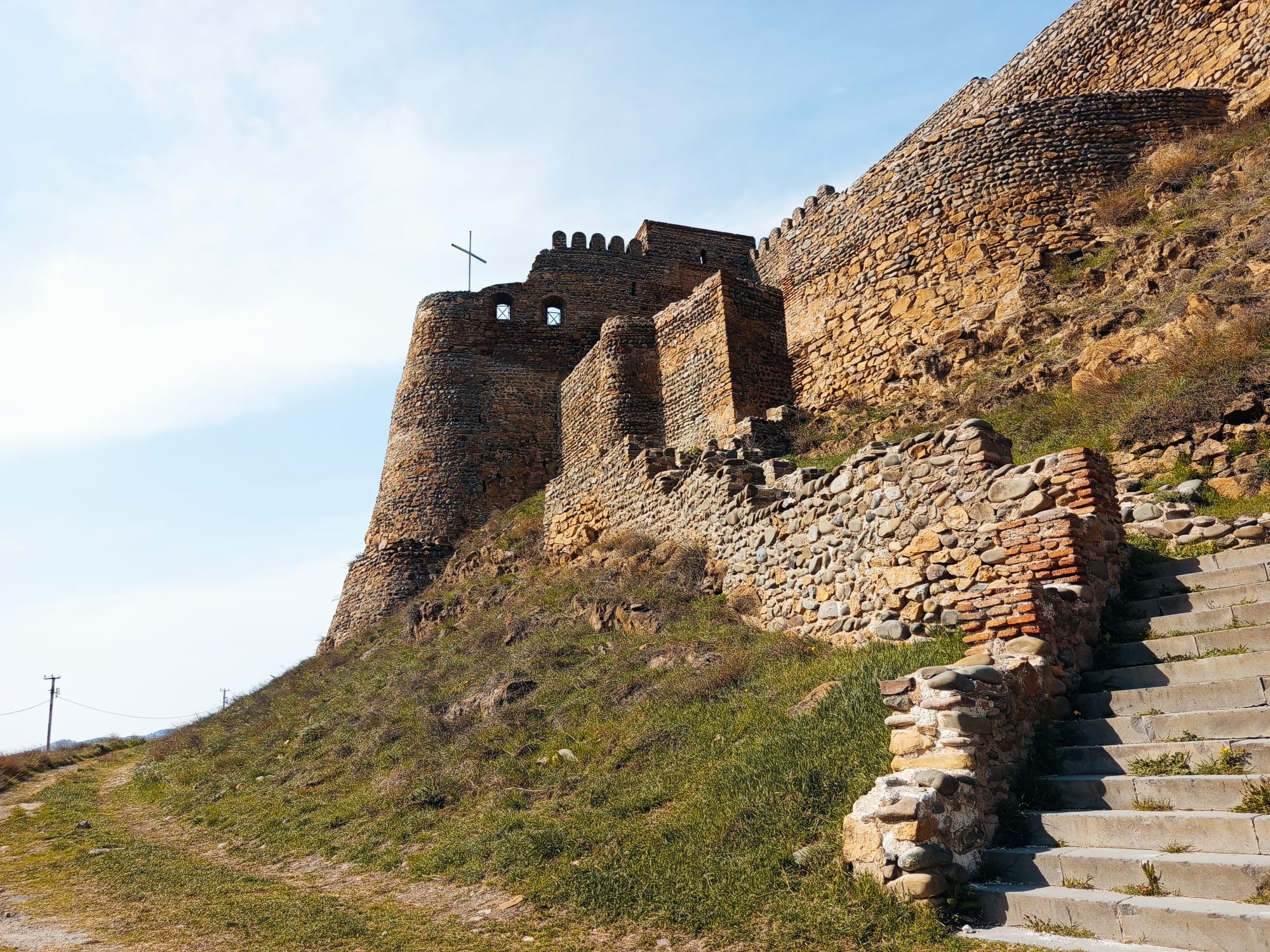
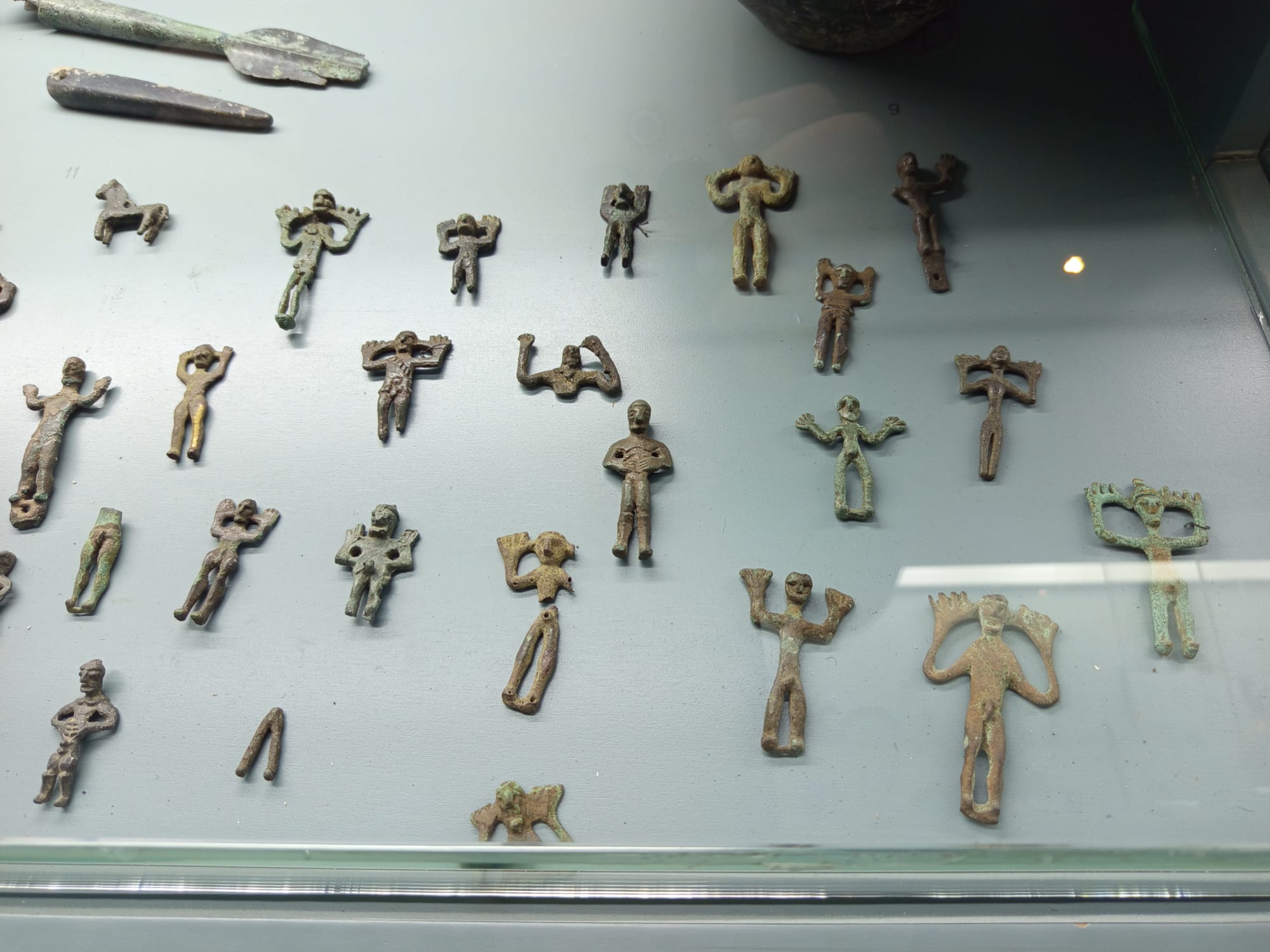
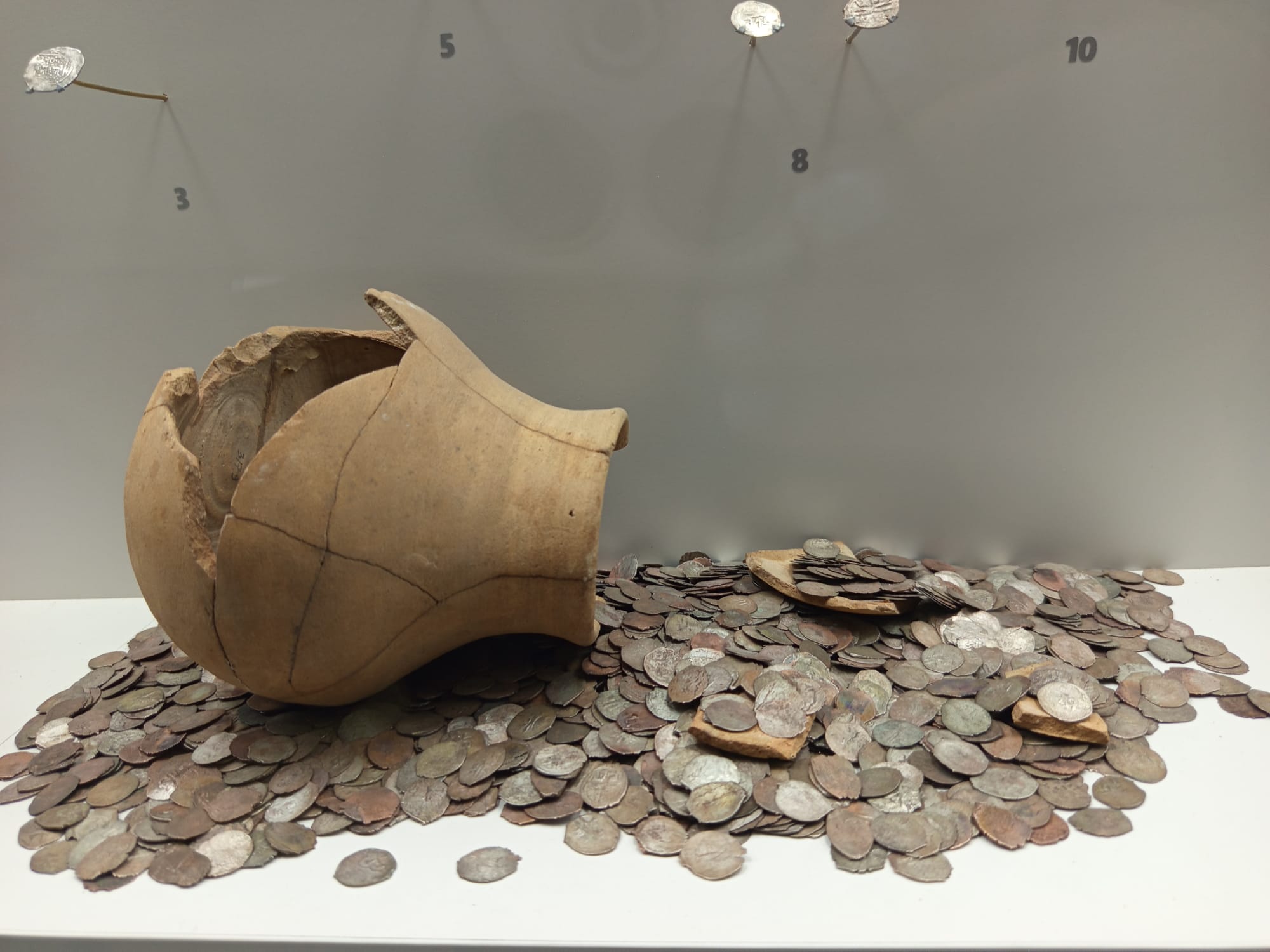
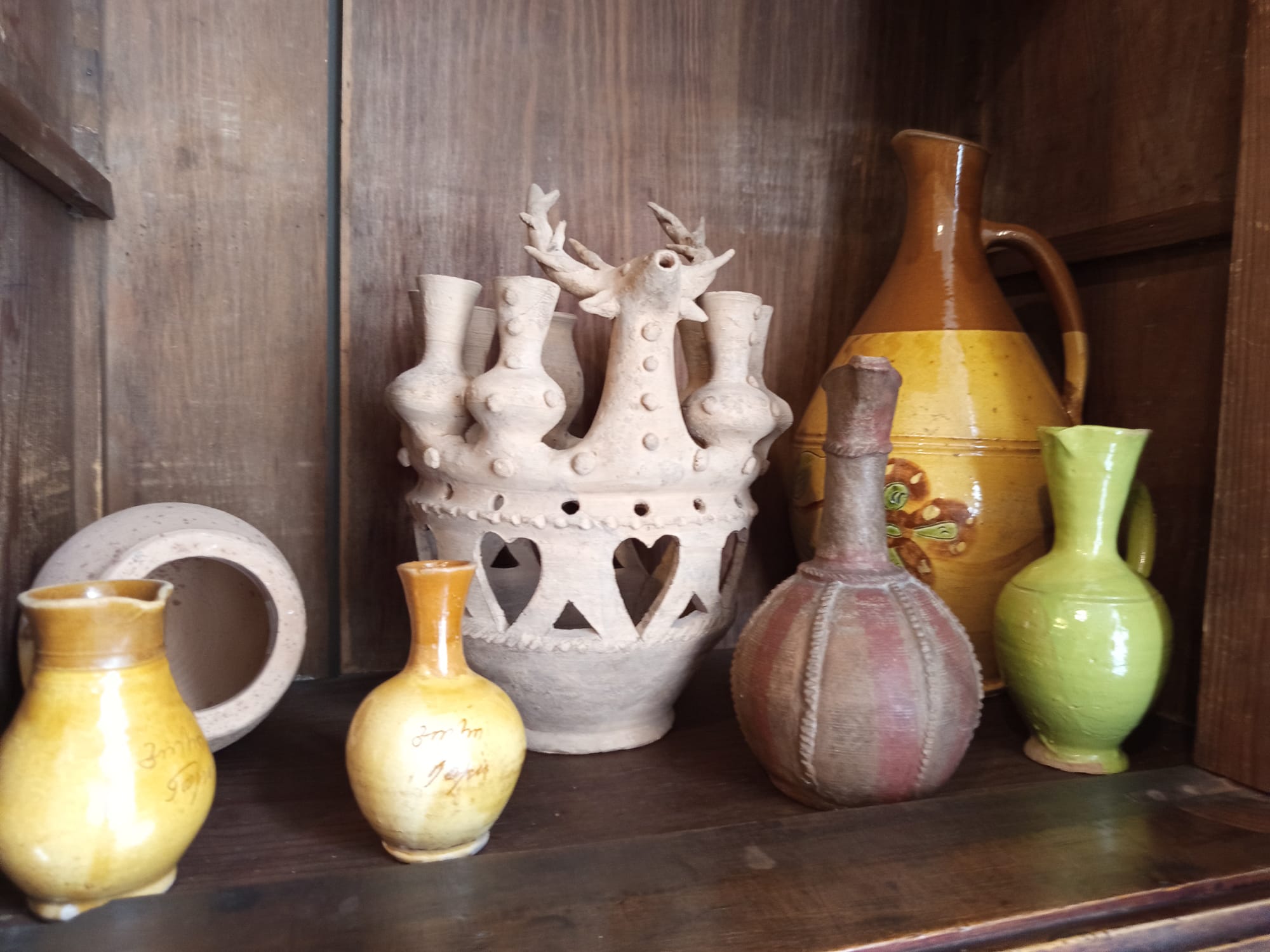
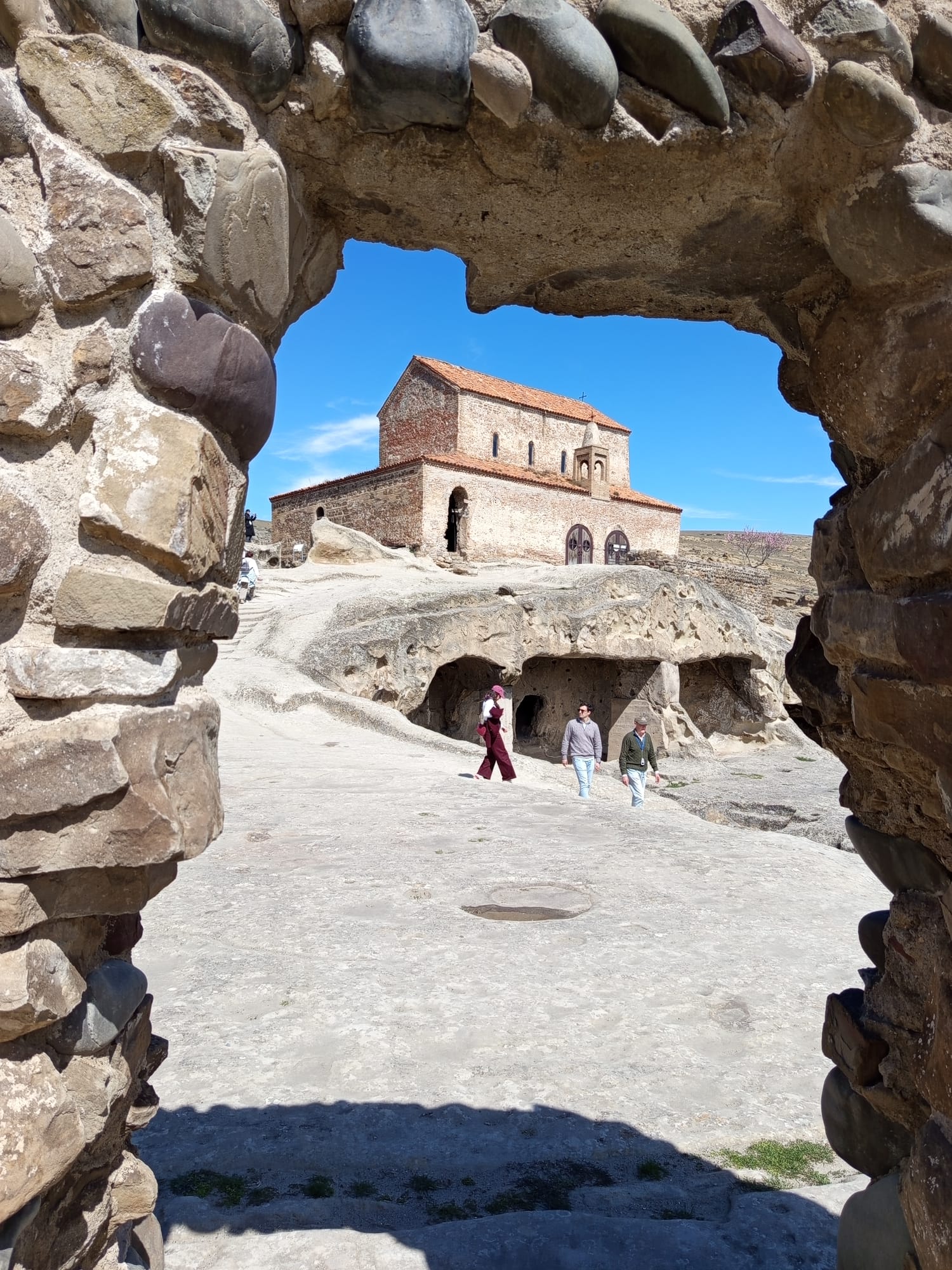
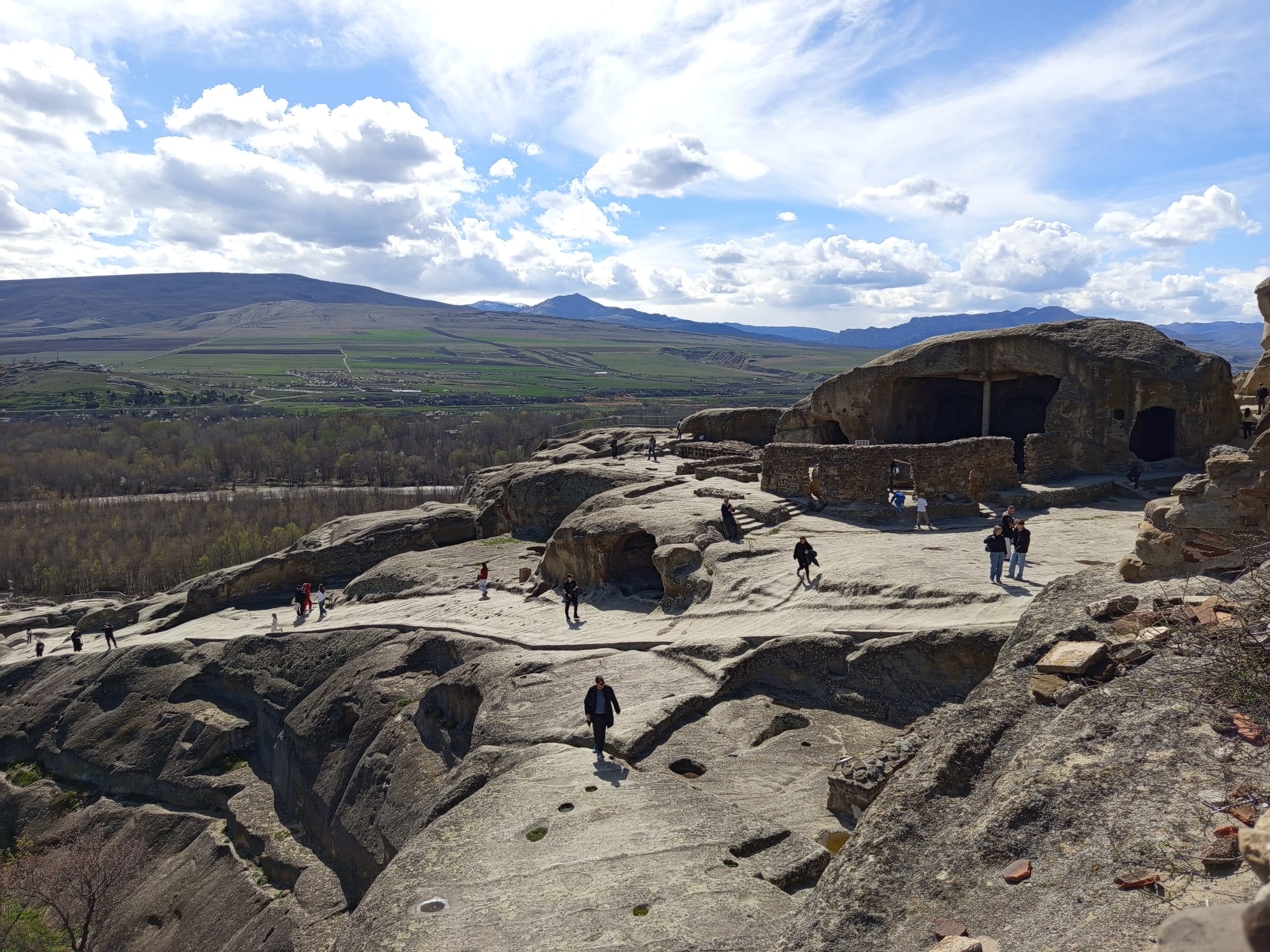
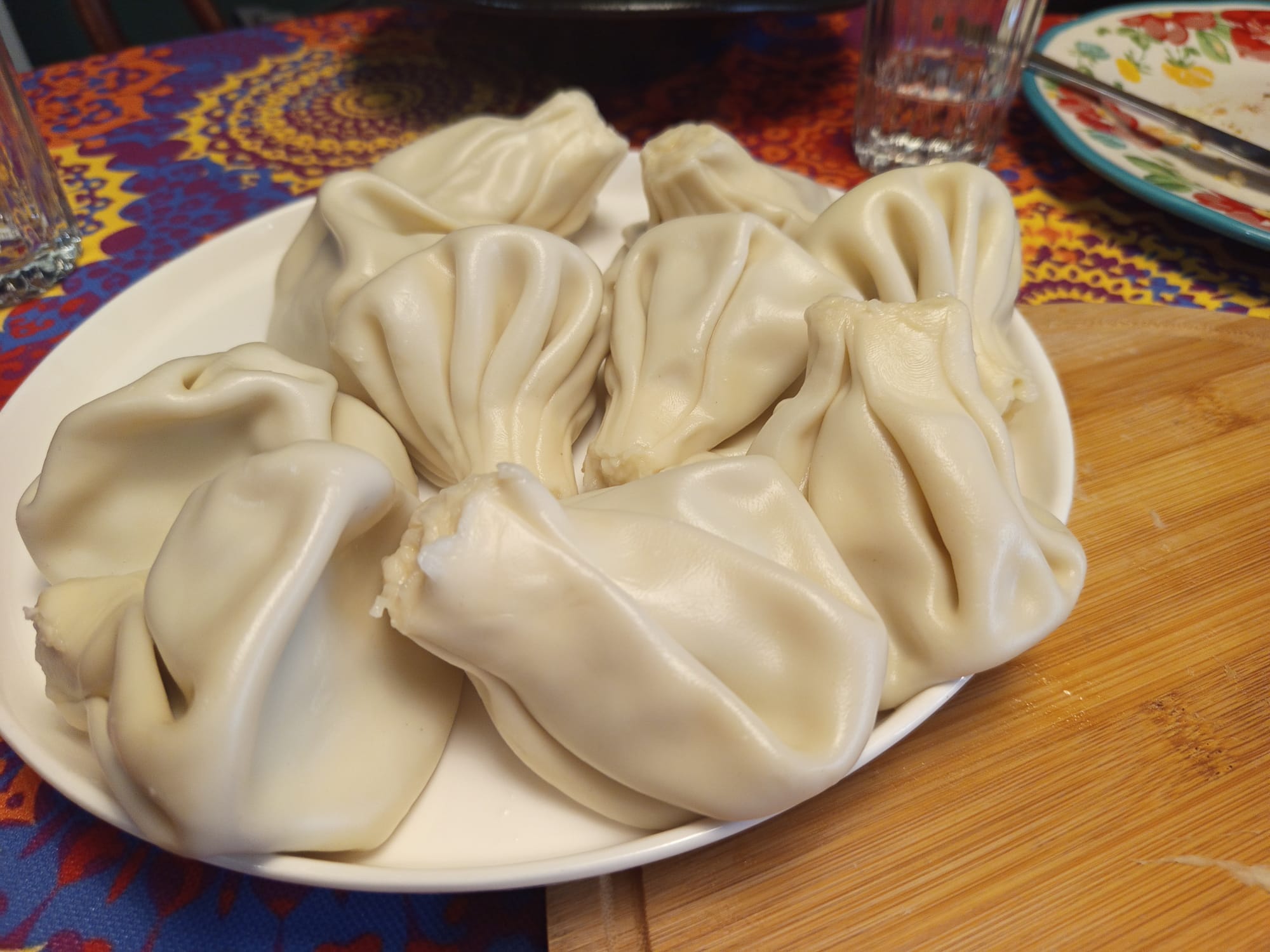
Well, yes, many. I visited Georgia for the second time. I visited Zugdidi, near the Ossetian border, for a conference in 2014; it is a region that was also affected by the Russo-Georgian War. Gori was also affected—in fact, even the university building was damaged during this war. What was outstanding for me was their hospitality and the food—Georgian cuisine is wonderful. But this time, as they organized opportunities for me to teach there and to present our university, they also organized many programs for my free time. We visited Gori Fortress together, where I was told about its history. We also visited the Sergi Makalatia Gori Historical and Ethnographic Museum, which houses an impressive collection. Among its highlights is a modern coin exhibition featuring coins from various parts of the world, some dating back several thousand years, all discovered in the surrounding area. We also visited a cave town about 15 kilometres away from Gori. It is called Uplistsikhe, and that was also a wonderful site. We also went to a restaurant together to have a meal. Many well-known Georgian dishes—such as khinkali, khachapuri, eggplant rolls with walnuts, and pkhali with beetroot and spinach—were part of the experience, so we were able to try traditional Georgian food together.
Do you plan to continue or expand your collaboration with international partners in the future?
For sure. I have many international connections with research fellows and faculty members because of my past research experiences and the projects I have worked on, especially through the Max Planck Institute, where I spent several years as a postdoctoral fellow. These relationships can also be used, I think, to expand Erasmus partnerships for our university. I would also like to visit more places in the future, because in the past it was not so easy for me to participate in Erasmus+ programs, as I was raising my children alone, and it was difficult to leave them behind. Therefore, I only attended the most important international conferences.
What advice would you give to young educators who are considering gaining experience abroad?
First of all, try to go abroad whenever possible. Any visit to any place provides valuable experience. You can meet new people and exchange ideas with people from different cultures. You can learn a lot, and I think it is important to build long-term relationships. Actually, reciprocity is also very important in these relationships: not only to visit them, but also to invite them. We encourage them to go abroad and also invite students from abroad to visit us.